
Selling Your Home
Open House

In real estate, an open house is a scheduled time when a house or other dwelling is designated to be available for viewing by potential buyers. Usually, the owners or renters vacate the house when one of our 1 Realty agents holds an open house. An open house, which is a scheduled session when anyone can come by without an appointment, or during an appointment scheduled with you or your listing agent.
Your 1Realty agent is a great source of advice on specifics for your home preparations so that your house is positioned competitively in the market. They may have recommendations for professionals such as renovators, decorators, and stagers who can help. Preparations will likely include two phases. During phase one, before photos are taken and before the first showing, you should:
- Clean deeply.
- Paint some or all of your house.
- Do minor repairs such as caulking tubs and windows.
- Make major repairs – if needed and in your budget, such as replacing your counters or appliances.
- Stage your furniture to showcase your home’s best features.
- Remove personal items such as family photos.
- Declutter every surface and storage space.
- Reorganize your closets and pack excess items.
- Eliminate odours by cleaning the fireplace or shampooing rugs.
- Create an appealing colour scheme with curtains or pillows to warm up your home.
- Upgrade your lighting or lightbulbs to make your rooms brighter.
- Spruce up the landscaping.
- Power-wash your decks and sidewalks if needed.
Phase two, the last-minute prep just prior to any showing, includes:
- Turn on the lights and open the blinds for maximum light.
- Take out the garbage.
- Make the beds.
- Clear and dust surfaces.
- Take your pets with you and put away pet bowls.
- Hide your valuables.
- Turn off your computer.
- Set the temperature.
- Put out fresh towels.
Three important things you can do to help get your house sold are:
- Leave when your house is being shown. Buyers prefer to look at homes when they can move around freely, and the owners aren’t there.
- Make your house as available as possible. While it may be inconvenient to show your home at dinnertime or on weekends, buyers who cannot see a property when they’re eager may cross it off their list.
- Listen to any feedback from buyers or agents about ways you can make your home more appealing.
Always coordinate with your 1Realty agent for maximum exposure and a faster sale.
Review Offers
Congratulations! You received a message from your 1Realty agent that you have an offer on your home. Now you need to evaluate that offer and decide how to respond.

An offer to buy your home is a purchase agreement signed by the potential buyer that includes:
- The amount of the offer
- An explanation of how the buyer will pay, such as cash or a pre-approval for financing
- The terms – such as a request for closing-cost help or contingencies such as the sale of the buyer’s house, a final mortgage approval, a satisfactory home inspection, and an appraisal
- A target date for closing
- An earnest money deposit
- A time limit for the offer
If you receive multiple offers, your 1 Realty agent can advise you on one of these options:
- Accept the best offer. If one offer stands above the rest, you can accept that one right away. But be careful not to be swayed by a high offer if the financing seems uncertain or if the buyer has not explained a plan for a possible low appraisal.
- Counter all the offers to get a better price and terms. You can ask all potential buyers to give you their best offer by a certain deadline.
- Counter one offer that is close to what you want. If you like one offer but think the buyer could do a little better, you can send them a counteroffer to see if they’ll accept.
You and the buyer can negotiate until you both agree on the final contract. Your 1Realty agent is your best ally during the negotiations and is equipped with the data and expertise to guide you.
Building and Pest Inspection
A building and pest inspection is a thorough review of your home’s structure and systems by a professional home inspector. A buyer can use the inspection report to decide to rescind their offer if a major issue is uncovered, or to request repairs if the contract is contingent on a satisfactory report.
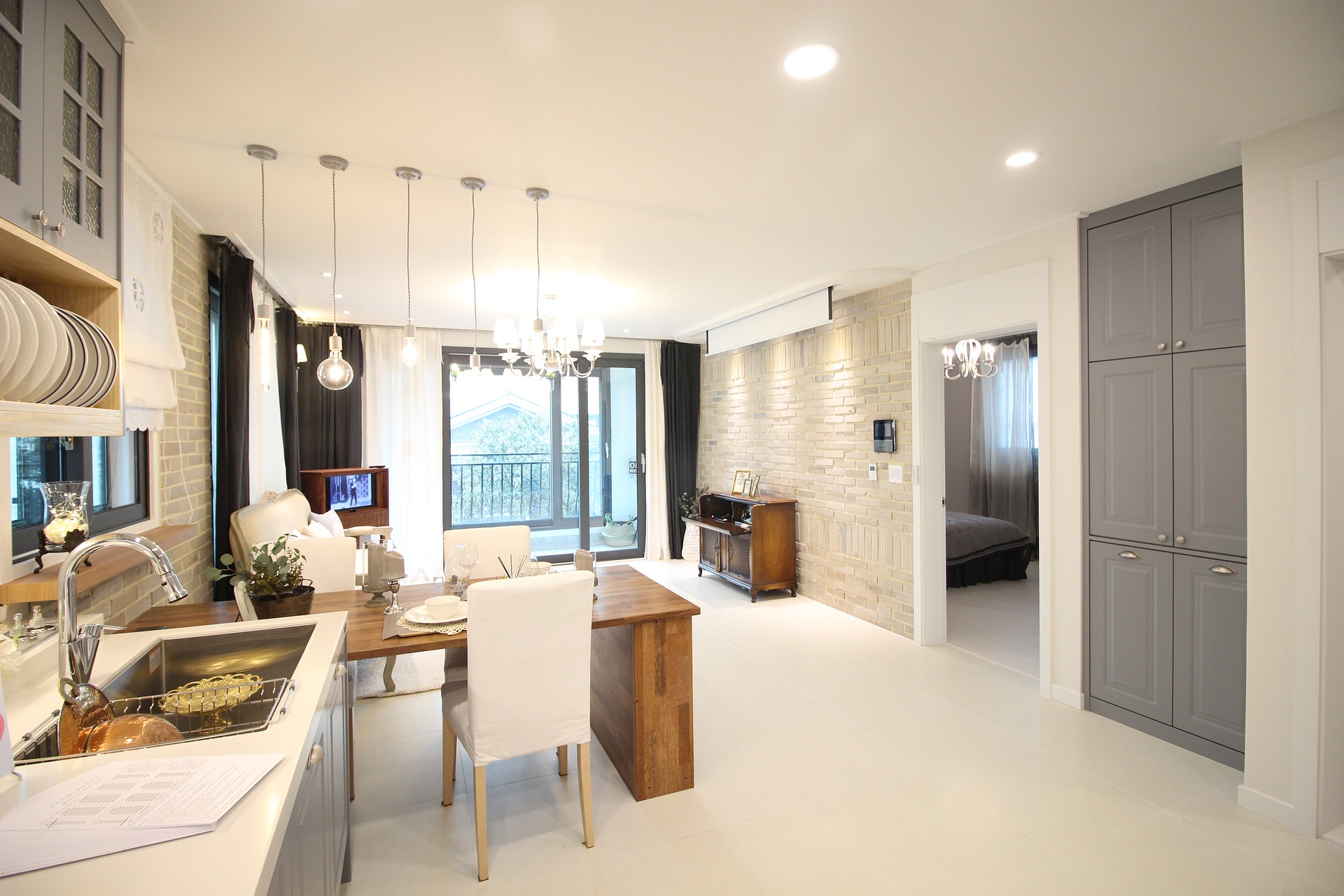
A building and pest inspection is a thorough review of your home’s structure and systems by a professional home inspector. A buyer can use the inspection report to decide to rescind their offer if a major issue is uncovered, or to request repairs if the contract is contingent on a satisfactory report.
The inspector will check:
- Structural conditions such as the foundation, beams, and floors
- Roof condition
- Mechanical systems such as heat and air conditioning
- Appliances – to make sure they are working, although some inspectors skip appliances that are not built-in
- Plumbing – for leaks, rust, and water pressure
- Electrical systems such as grounded outlets and code violations
- Safety issues such as stairs, handrails, mould, or chimney maintenance
Before the home inspector arrives, you should:
- Clean your house.
- Remove or crate your pets.
- Make sure all your lightbulbs work.
- Empty your washing machine, dryer, oven, and dishwasher – in case they are inspected.
- Make sure everything is accessible, including your attic, crawlspace, garage, and any sheds.
- Leave a note if anything doesn’t work and explain that you’re getting it fixed.
- Provide documents about maintenance and repairs.
- Leave your phone number for the inspector.
- Leave the house.
Once the building and pest report has been generated, you and your 1Realty agent can discuss how to handle any possible issues a buyer mentions. You can 1Realty agent can help you handle any inspection issues.
Appraisal
An appraisal is an objective valuation of your property that serves as a safeguard for the buyer and the buyer’s lender. While the buyer pays for an appraisal, the appraiser actually works for the lender. While an appraiser may look at some of the same things as a home inspector, the result is an appraised value of your property rather than a condition report.

Appraisers use as many measurable sources of data available to provide an accurate value of your property, including:
- Comparable properties in your area that are of similar size, age, and condition
- The condition of your home’s systems and structure
- The square footage of your property
- The number of bedrooms and bathrooms
- Your location
- The quality of your flooring, plumbing, and electrical systems
Appraisers include research about other properties and neighborhood values, as well as an in-person visit for their evaluation of your home.
Preparing for an appraisal is similar to prepping for an inspection. You should:
- Provide a list of all major improvements to the home and the age and condition of your roof, heating and air conditioning system, and appliances.
- Provide any permits required for home improvements.
- Clean your house.
- Provide full access to all rooms and spaces, including the garage, sheds, attic, and crawlspace.
- Remove or crate your pets.
- Leave the house, or at least stay out of the appraiser’s way.
An appraisal could require a renegotiation if the property value comes in lower than the sales price. The appraised value dictates the maximum amount the lender will allow the buyers to borrow, minus their down payment. Depending on how the contract was written, if the appraisal is low, you can:
- Ask the buyer to come up with extra cash to make up the difference between the loan amount and the purchase price.
- Reduce your price to the appraised value.
- Split the difference with the buyer.
Your 1Realty agent can advise you on your options in the context of the contract and market conditions.
Close

Before closing day, you’ll need to:
- Take care of repairs required by the contract.
- Keep all receipts and invoices and before-and-after photos of repairs.
- Gather all appliance manuals and warranties for your buyers.
- Hire a mover.
- Cancel all utilities for the day after you move.
- Cancel newspaper subscriptions.
- Change your address.
- Review all settlement documents, especially the settlement statement.
- Check the property survey to be sure it’s correct.
- Clean the house.
- Prepare for the buyers’ final walk-through.
Sellers may or may not attend the closing, so you should consult your KW agent and the settlement company to decide what is best. You can sign all documents before the official closing.
Seller expenses, which are deducted from the proceeds of the sale, include:
- Final balance on your mortgage
- Real estate commissions
- Prorated property taxes, utility bills, homeowner’s insurance, and homeowner’s association dues
If you cannot move before the closing, you may need to arrange a rentback from the buyer. A rentback agreement would allow you to remain in your home for a specified amount of time after closing. Your Keller Williams agent can help you complete appropriate paperwork for a rentback.
If you are moving, the buyer will do a walk-through of your home within 24 hours before the closing to check that the property is in good condition. If the buyer finds something that needs to be fixed, your agent can help you decide how to handle it.
Whether or not you attend the closing, you will need to provide house keys to your buyer, along with all alarm codes, remote controls for the garage, and mailbox or gate keys.
After the closing, you will:
- Receive the proceeds from the sale, usually by wire transfer.
- Cancel your homeowners’ insurance “post-close” – to make sure you’re covered on that day.
- Save your closing documents and home improvement records for taxes.
Congratulations! You can now shake hands with your 1 Realty agent … you have successfully sold your home.